


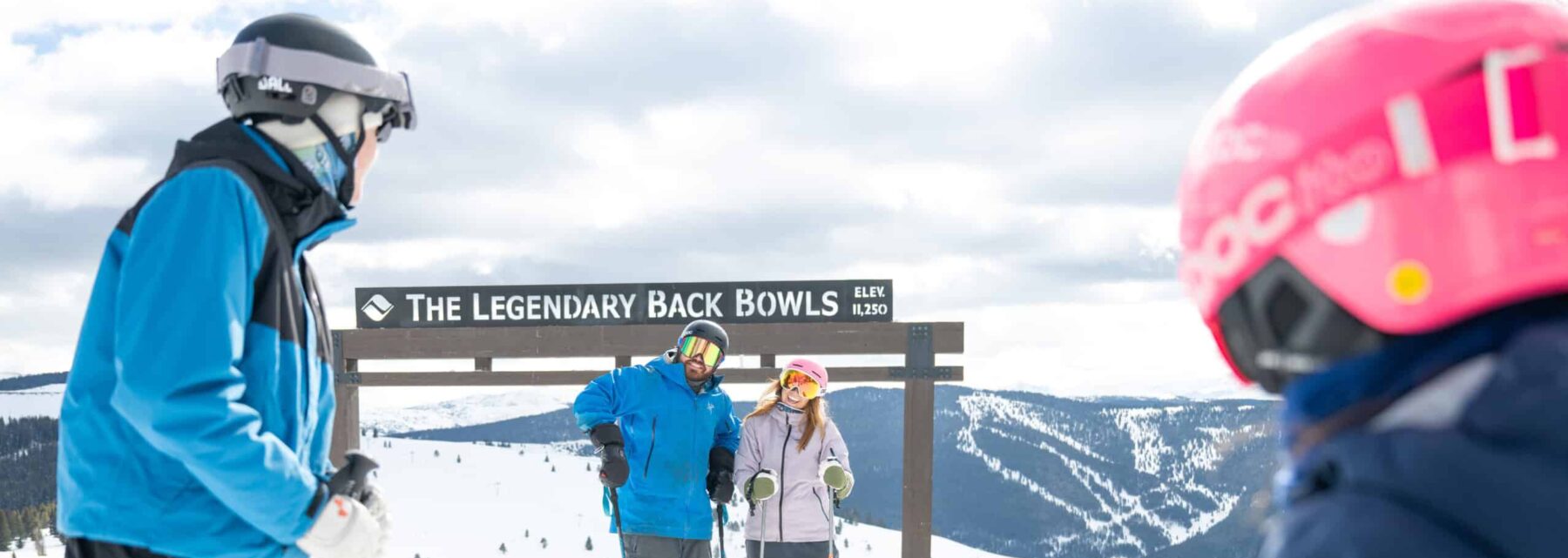

Choosing what to wear skiing and snowboarding might seem like a bit of a puzzle when you’re checking off your Vail packing list. With all the gear and layers to consider, the goal is to hit the slopes fully prepared for whatever the weather throws at you.
Luckily, today’s ski and snowboard apparel is tough enough to keep you warm and shielded while you carve down Vail Mountain — yet stylish enough to not feel like a total geek during après-ski activities. Check out our top tips below to make sure you’re rocking your skiwear game both on and off the slopes.

What to Wear to Ski & Snowboard in Colorado
Ever see people sweating profusely or shivering uncontrollably when they’re out in the cold weather? Chances are they made the mistake of not dressing in layers. Layering is the number one rule for comfortable skiing and snowboarding, and you have three different layers to consider:
- Base layers: Layer closest to your skin
- Insulating layers: Layers in the middle of the base and outer layers
- Outer layers: Layer closest to the outer world
- Accessories: Additional items that keep you cozy
1. How to Dress for Skiing: Base Layers
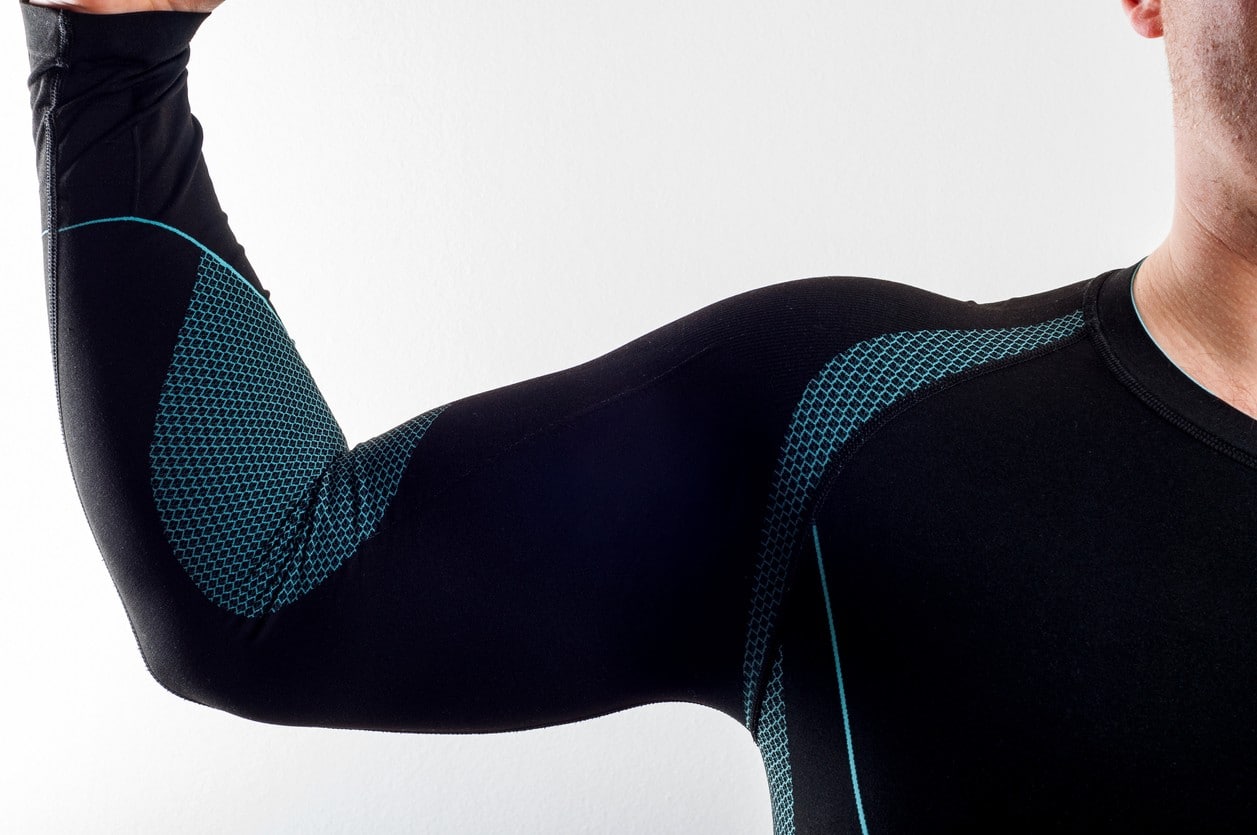
As the layer next to your skin, the base layer needs to be comfortable and breathable. Whether you’re a first-time skier or skiing pro, you’re going to sweat. Unless you opt for a material that can wick moisture away from your skin, you’re destined to turn into a clammy, miserable mess.
So, skip the cotton and instead choose a synthetic material or wool for base-layer ski attire. Also avoid anything bulky, as you’ll be layering other clothing items on top of the base layer.
- Ski socks: No thick socks! Thin wool socks specifically designed for skiing do a better job for warmth and circulation. Merino wool is the way to go.
- Long underwear: Whether you call them long underwear, thermal underwear, long johns or longies, this is what to wear skiing under snow pants.
- Thermal shirt: For especially cold days, a thermal shirt provides that extra layer of warmth and wicks away moisture when you get moving.
2. Insulating Warm Ski Layers
Also known as mid-layers, insulating layers are nestled between the base layers and outer layers. Because they’re in between the moisture-wicking base layer and the waterproof outer layer, all the insulating layers need to do is keep you warm. Synthetic material delivers the best comfort and versatility.
Keeping them thin is also a good move. This can help reduce overall bulk when you’re wearing them under your outer layer for extra warmth. But if you get too warm, this is the layer you take off and stash in a locker at the base of Vail Mountain.
- Hoodies
- Sweaters
- Long-sleeved shirts
- Fleeces
3. Outer Layers: Waterproof Ski Jacket & Pants
Outer layers are rated by three factors: insulation, breathability and waterproofing. The higher the rating, the better the characteristics. You really can’t go wrong with high levels of waterproofing to keep the moisture out. High levels of breathability are, again, key to reducing sweat during vigorous outdoor activity.
The right insulation level depends on how much protection you want against the cold. Some jackets have zip-out insulation, making them an ideal choice if you enjoy both winter skiing in cold weather and spring skiing in warmer weather.
- Ski jacket: Pick a jacket based on two factors: cold and comfort. Keeping out the first one will lead to the second. If you’re sticking with downhill skiing, breathability may not be as big a factor as it is if you’re building up tons of sweat cross-country skiing on Vail’s golf course.
- Ski pants: Unless you like a cold, wet behind, go for waterproof ski pants. Non-insulated pants are more versatile, letting you add a little or a lot of insulating layers underneath. Insulated pants come with built-in insulation, perfect for riding ski lifts in colder temperatures.

4. Skiing Clothes Guide: Accessories for Warmth
Now that you know how to layer clothes for the slopes, it’s time to properly accessorize. Here’s where you can truly make a statement with things like bright-pink ski gloves and hats with fuzzy bear ears. Or not.
- Ski gloves: Waterproofing and insulation are the two biggies to look for in the perfect ski glove. That, and the bright pink color, of course.
- Ski hat: Fuzzy bear ears may be cute and appropriate for après-ski, but comfort and fit are more important than cute for skiing. You want a hat that keeps your head warm and fits under your helmet.
Once you’re properly layered up, it’s time to properly accessorize. Here’s where you can truly make a statement with things like bright pink ski gloves and hats with fuzzy bear ears. Or not.

What Gear Do You Need for Skiing?
Ever show up on the slopes and realize you forgot your skis? Neither did we. But it’s still important to mention the ski gear you need to bring (or rent), just in case.
Ski Gear:
- Skis and ski poles: Choose the right size, style and color to suit your fancy — and for the type of skiing and terrain.
- Ski boots: Ski boots are specifically used for — you guessed it — skiing. They are rigid, designed for the skier to face forward and tough to walk around in.
- Helmet: Helmets are a must, especially for beginner skiers. Vail’s rental shops offer an optional helmet with their rental packages. They provide protection as well as warmth.
What Gear Do You Need for Snowboarding?
Most ski clothing works for snowboarding, but there’s a whole range of comfy, stylish snowboarding fits available too (usually, snowboarding attire fits a bit looser than ski apparel). And the gear is slightly different, of course.
Snowboard Gear:
- Snowboard: Select your snowboard based on size, style and design. An all-mountain snowboard is the most versatile, and one with a softer flex will be the best gear for snowboarding beginners.
- Snowboard boots: Beginner skiers or snowboarders may think they can wear ski boots for snowboarding, and vice versa. Not a good idea. Ski boots and snowboarding boots are two totally different animals. Snowboarding boots are more flexible and designed for facing sideways. They’re quite comfortable and much easier to walk around in compared to ski boots.
- Helmet: Brain buckets are a must for snowboarders, too. Vail’s rental shops offer an optional helmet with their rental packages. They provide protection as well as warmth.
What to Bring Skiing & Snowboarding
While some gear is specific to skiing versus snowboarding, other items are universally helpful to bring to the mountain. Below, see what gear to pack before you head to the slopes, regardless of your preferred sport.
- Goggles: Ski goggles are an absolute must to protect your eyes. UV rays are stronger at high altitudes, on both cloudy and sunny days. Different lenses work best for different levels of sun. Look for ski goggles with interchangeable lenses for the greatest versatility in all kinds of weather.
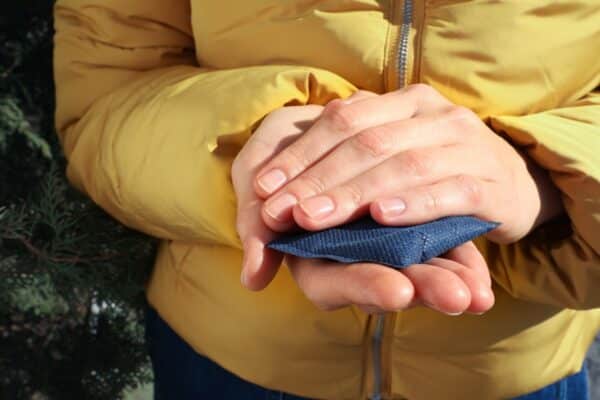
- Hand warmers: These little disposable packets come sealed and ready for action. Once you open the packaging and expose them to air, they give off toasty heat for warm hands. Stash a batch in your backpack.
- Sunscreen: Your face will thank you. Especially your nose. Sunscreen helps protect against high-altitude UV rays on both cloudy and sunny days.
- Lip balm: Your lips will thank you. Especially if you opt for lip balm with built-in sun protection.
- Hydration pack: Keep a small hydration pack or water bottle close to your body in an inner pocket or chamber so it doesn’t freeze.
- Snacks: Keep your energy up with snacks like granola bars or a small sandwich.
- Neck gaiter: Compared to a scarf, neck gaiters are more effective and efficient to stay warm and dry during outdoor activity.

Vail Ski Rentals & Ski Shops
If you don’t want to haul all your ski or snowboard gear with you, no problem. Vail has plenty of equipment rental shops at the resort and in town, including American Ski Exchange, Ski Base and Vista Bahn Rentals. Some spots even let you demo the latest skis and snowboards.
Now that you have the lowdown on what to wear skiing, it’s time to start shopping! And if you forget to pack any ski clothing, gear or accessories, you can always stop by one of the many ski shops in Vail.