




Wondering what to bring hiking in Colorado? Vail’s scenic trails are easy to enjoy with the right essentials in your pack. From sunny ridgelines to shaded forest paths, a little preparation goes a long way. Use this simple checklist to stay safe, comfortable and ready for whatever the trail brings.
What to Bring on Your Colorado Hike
- Water: Stay hydrated at altitude. Bring at least 2 liters per person for day hikes, and consider a hydration reservoir or a refillable water bottle with a filter for longer treks.
- Daypack or Hiking Backpack: Choose a lightweight, durable backpack with supportive straps to carry all your essentials without strain.
- Rain Gear: Weather in the Rockies changes fast. Pack a waterproof jacket and pants to stay dry in sudden downpours or afternoon thunderstorms.
- Hiking Boots or Trail Shoes: Wear sturdy, waterproof hiking boots or trail shoes with strong traction — ideal for rocky terrain and stream crossings.
- Sunscreen (SPF 30 or Higher): Colorado’s high elevation means stronger UV exposure. Use a broad-spectrum sunscreen and reapply every two hours.
- Snacks and High-Energy Food: Bring protein-rich snacks like jerky, trail mix, energy bars or dried fruit to keep your energy up on long hikes.
- First-Aid Kit: Pack a compact kit with bandages, blister care, antiseptic wipes, tweezers and any personal medications.
- Camera or Smartphone for Photos: Don’t miss the chance to capture Colorado’s alpine lakes, wildflowers and sweeping mountain vistas.
- Cell Phone: Bring along your phone for emergencies and navigation, but don’t rely on a signal. Download maps in advance or use offline apps.
- Navigation Tools: Even marked trails can get confusing. Always carry a topographic map, compass or GPS device as a backup.
- Hat or Baseball Cap: Shield your face from intense sun exposure, especially on high-altitude trails with little shade.
- Sunglasses: Protect your eyes from UV rays and glare — especially when hiking near snowfields or alpine lakes.
- Headlamp or Flashlight: If your hike runs long or you start early, you’ll need a light source. Bring extra batteries just in case.
- Extra Clothing Layers: Weather shifts quickly in the mountains. Pack an extra shirt, socks and a lightweight fleece or thermal layer for warmth.
Hiking With Dogs in Colorado
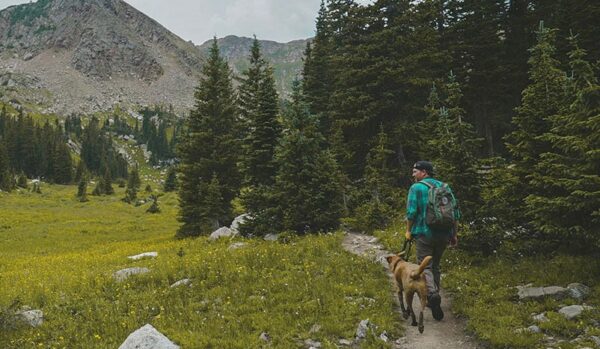
Leash rules vary across Colorado, but keeping your dog on a physical leash is often required — and always the safest choice. With delicate alpine ecosystems, active wildlife and heavily used trails, a leash helps protect your dog, fellow hikers and the land itself. Before you go, check local trailhead signage or land-management websites for current pet regulations. Here’s why leashing matters:
It Will Keep Your Dog Safe From Wildlife
Moose, elk, coyotes and mountain lions all live here — and many will see your dog as a threat. A leash helps prevent dangerous encounters that could put your dog at serious risk.
It Will Protect Wildlife From Your Dog
You’re hiking through sensitive habitats. Wildlife already faces challenges like short summers and heavy foot traffic. Being chased or startled by an off-leash dog can stress animals and disrupt their survival.
It Will Prevent Conflicts With Other Dogs
Not all dogs get along. Keeping yours leashed reduces the chance of an unexpected confrontation with another pet on the trail.
You’ll be Respecting Other Trail Users
Some hikers feel uncomfortable around dogs, even friendly ones. A leash ensures everyone can enjoy the trail without worry.
Know Before You Go
Colorado’s trail systems pass through fragile alpine environments, wildlife habitats and beautiful public lands. The Leave No Trace Seven Principles are a set of simple guidelines that help protect these places so future generations can experience them just as you do. From packing the right gear to staying on the trail and giving wildlife space, these small habits make a big difference when hiking in Vail and throughout the state.
1. Plan Ahead & Prepare
Know the rules for the area you’re visiting. Regulations are often posted at the trailhead but when in doubt, call the local ranger district or check out the Colorado Parks & Wildlife site for up-to-date info.
2. Travel & Camp on Durable Surfaces
Stay on marked trails and walk single-file to preserve narrow singletrack. If camping, use established sites at least 100 feet from water and trails.
3. Dispose of Waste Properly
Pack out everything, including food scraps and dog waste. For human waste, disposable WAG bags are the best option for minimizing ecosystem impact. If you don’t have one handy, dig a hole 6–8 inches deep at least 200 feet from any water source to bury your business.
4. Leave What You Find
Leave rocks and plants as you found them for others to enjoy. Do not touch or disturb cultural or historical artifacts or structures.
5. Minimize Campfire Impacts
Campfire regulations vary across Colorado, and in many high-elevation areas or locations near water, fires may be restricted or prohibited entirely. Always check local fire rules before your trip, as conditions can change quickly due to weather or wildfire risk. Where campfires are allowed, use established fire rings and keep flames small. Never burn trash, food waste or anything non-natural. In many cases, using a portable camp stove is a lower-impact and safer alternative — especially in sensitive or heavily trafficked areas.
6. Respect Wildlife
Watch animals from a distance and never try to feed them. Feeding can harm wildlife, make them dependent on people or expose them to predators.
7. Be Considerate of Other Visitors
Keep noise levels down and respect others seeking peace and quiet. A courteous attitude helps everyone have a better experience on the trail.