At A Glance

Season:
All
Months:
Year-Round
Vail Pass Rest Area & Surrounding Recreation
Rising high in the heart of the Rockies, Vail Pass is far more than a stretch of highway. Traveling I-70 westward from Denver, this high-mountain corridor and gateway to Vail offers a safe pull-off option with modern facilities, jaw-dropping views and access to year-round recreation. The rest area’s scenic overlook and Colorado-centric displays make it worth a stop even if you don’t need a break — but chances are, once you arrive, you’ll want to stay awhile.
Where Is Vail Pass?
Vail Pass sits along I-70 in central Colorado, about 15 miles east of Vail Village. The pass reaches an elevation of 10,662 feet and lies within the stunning Gore Range and Eagles Nest Wilderness, with sweeping views looking toward the Tenmile Range.
Fun fact: Long before I-70 was carved through these mountains, Indigenous peoples used this area for hunting and temporary camping. Archaeological evidence suggests human activity here dates back between 6400 and 5800 BCE — a testament to the enduring nature of this subalpine environment.
Vail Pass Rest Area: More Than Just a Bathroom Break!
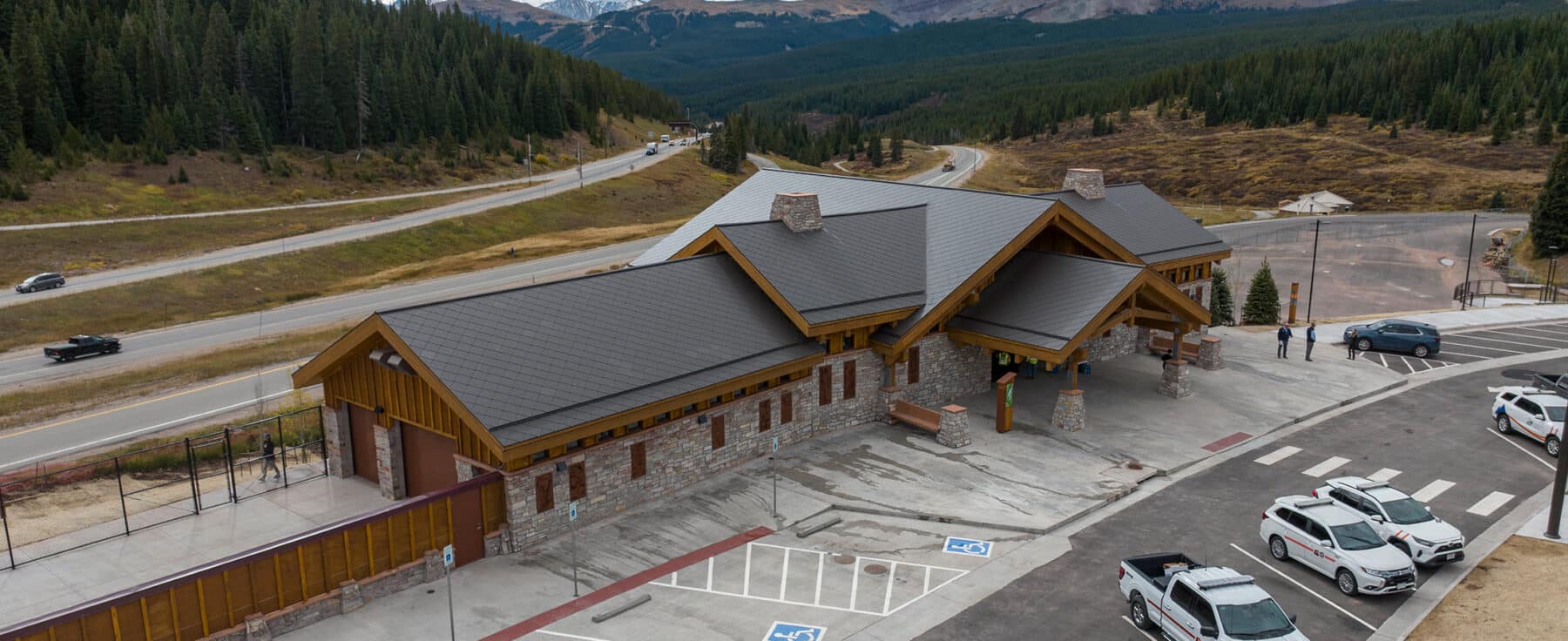
The reimagined rest area, which reopened in late September 2025, is a destination in its own right. An expansive visitors’ center combines thoughtful design with easy access to recreation. Inside, you’ll find ADA-accessible facilities, plenty of restrooms and educational exhibits that explore Vail Pass history, including the original construction of the highway; details on local wildlife like lynx, yellow-bellied marmots and Rocky Mountain elk; and archaeological discoveries such as arrowheads and pottery pieces.
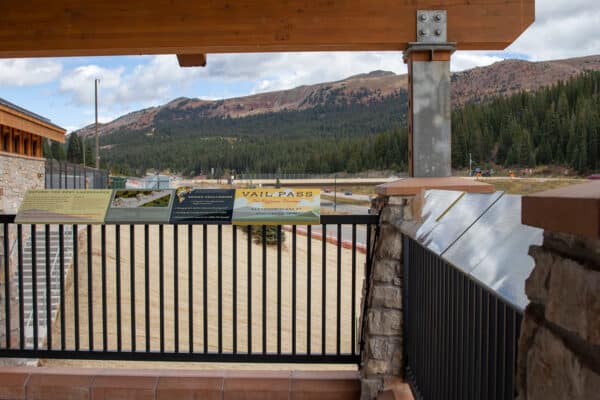
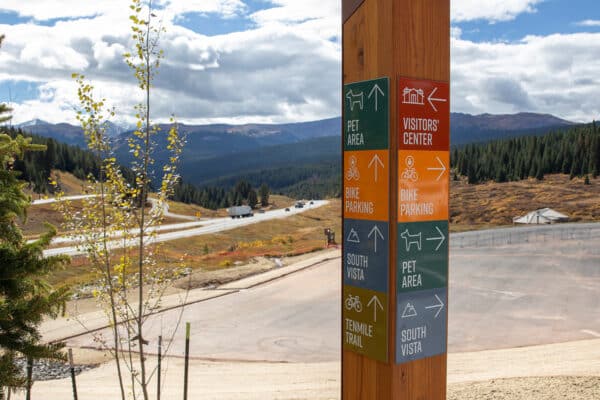
Large scenic viewing areas frame the surrounding mountains, making it easy to step outside and soak up the fresh air. Hand-painted murals and exterior decorative panels featuring native animals and plants add a distinctly Colorado touch. Vail Pass Rest Area parking is plentiful, including designated snowmobile spaces and bike parking. There’s also a pet area for four-legged travel companions.
Insider tip: Fill up your water bottle at the filtered water fountains before heading out on a hike or bike ride. At this elevation, staying hydrated is essential.
Sun or Snow, Mountain Recreation Starts at Vail Pass
One of the best parts about the Vail Pass Rest Area is that adventure begins right outside the door.
Summer Recreation at Vail Pass
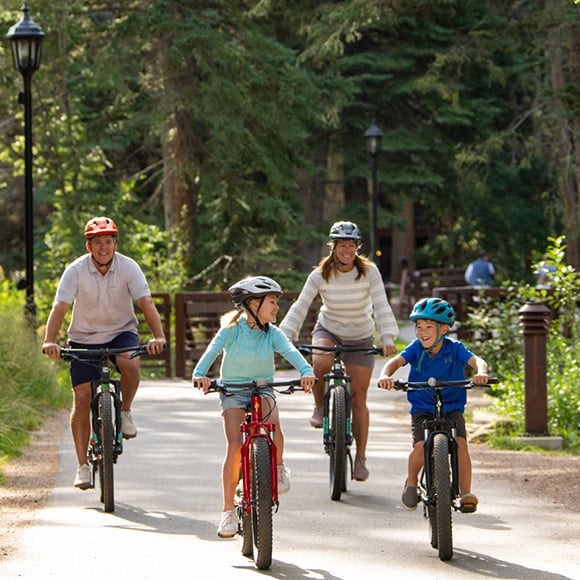
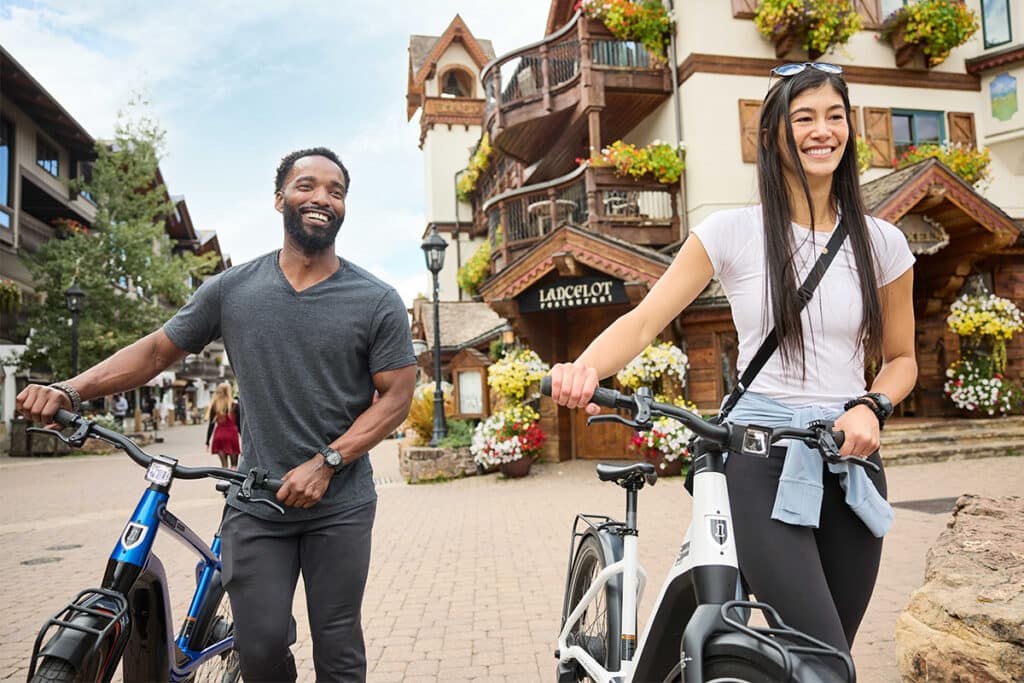
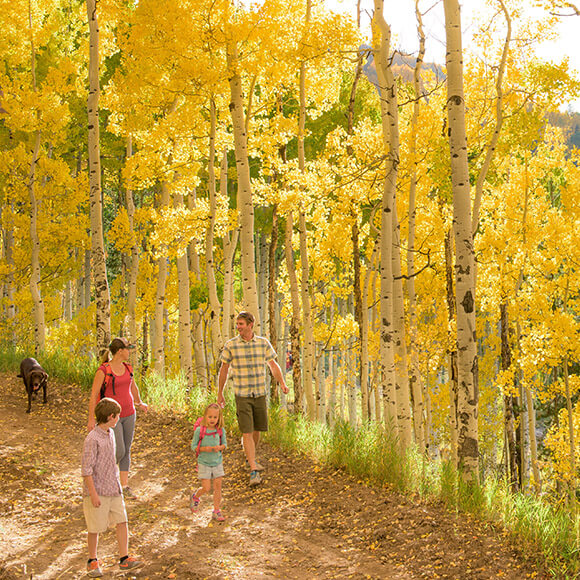
When the snow melts, Vail Pass hiking and mountain-biking opportunities take center stage. The paved Tenmile Canyon National Recreation Trail/Vail Pass Bike Path, running alongside the highway and connecting to the Gore Creek Campground, is a favorite for cyclists who love long, gradual descents. Several Vail outfitters offer rentals and bike haul/shuttle services to the top of Vail Pass with guided or self-guided tours back to town, including:
- Venture Sports: Vail Village and Grand Hyatt Vail Resort locations
- Vail Wheel Base
- Bike Valet
- Vail Bike Tech
- Charter Sports
Beyond the paved path, for hiking around Vail explore trails like Wilder Gulch and Corral Creek, which also allow horseback riding. Or, drive up Shrine Pass Road for access to backcountry camping at dispersed sites, expansive alpine views and to reach the Shrine Ridge Trail for a breathtaking hike.
Fun fact: In late spring and summer, wildflowers blanket meadows surrounding the trail in vibrant purples, yellows and reds. July is typically the peak season to admire these bright blooms against the mountain landscape, including Mount of the Holy Cross.
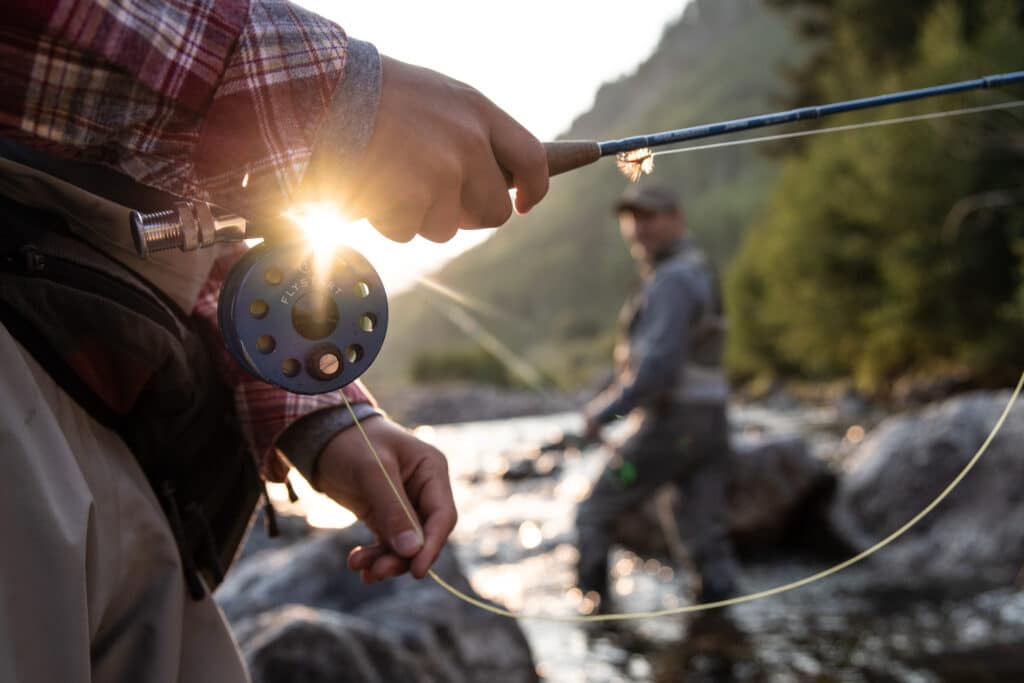
For a summertime picnic, don’t miss the Black Lakes just to the north of the Vail Pass Rest Area, where reflective waters create postcard-worthy scenery. There’s also a fishing pier if you’re in the mood to reel in some rainbow trout.
Vail Pass Winter Activities
When snow blankets the mountains, the land around Vail Pass transforms into a playground known as the Vail Pass Winter Recreation Area, typically open from November through May. This 55,000-acre winter adventure zone offers some groomed trails, a mixture of multiple-use and non-motorized routes, and snowmobile terrain — all readily accessible from the Vail Pass parking lots. Snowshoeing, cross-country skiing and backcountry skiing are all excellent ways to experience the magic of winter.
You’ll also find a collection of backcountry huts within the Vail Pass recreation area, including Shrine Mountain Inn, Fowler-Hilliard Hut and Janet’s Cabin. Part of the 10th Mountain Division Huts Association, a trip to these rustic yet comfortable lodgings allows skiers and snowshoers to venture into the quiet backcountry and spend the night encircled by snow-covered peaks.
Insider tip: Be sure to purchase a day-use or season pass for the Vail Pass Winter Recreation Area at Vail Pass or nearby trailheads before heading out.
Hero image courtesy of Colorado Department of Transportation; photographer Stephen Martinez
Know Before You Go: FAQs About Vail Pass
Where is Vail Pass on I-70? How far away is it from Vail?
Vail Pass sits along Interstate 70 between Vail and Copper Mountain. It’s about 15 miles east of Vail.
Is Vail Pass open?
It is open year-round, but weather-related Vail Pass closures can occur during heavy snowstorms or hazardous driving conditions.
Where can I find Vail Pass current conditions?
Check Colorado Department of Transportation resources like COtrip.org for real-time road conditions, cameras and travel alerts before you go. Keep in mind that mountain driving requires preparation, especially in winter. Review travel tips and route information, and allow extra time during peak travel periods and storms.
What’s the best time to visit Vail Pass?
Summer offers prime conditions for hiking and biking, while winter brings exceptional snow recreation. Fall foliage and spring snowcapped peaks also make shoulder seasons especially scenic.
What makes Vail Pass unique?
Few mountain passes combine high-altitude scenery, a modern rest area, interpretive exhibits and direct access to both summer and winter recreation. Its deep Indigenous history and location within iconic mountain ranges add to its distinct character.
What is Vail Pass weather like?
Vail Pass elevation is at 10,662 feet, where weather can change rapidly. Expect cooler temperatures than in Vail, frequent afternoon thunderstorms in summer and significant snowfall in winter. Always check forecasts before heading out.